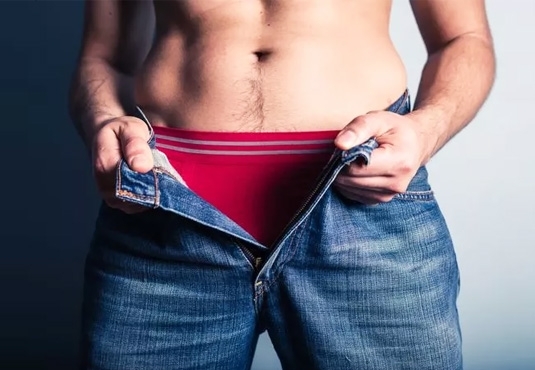
Penis filler (also known as “groom filler”) is a non-surgical aesthetic procedure designed to increase penile girth by injecting filler material into the subcutaneous tissue of the penile shaft.
It generally does not change erectile function or length; the main goal is to achieve a visible and perceptible increase in thickness. Hyaluronic acid (HA),a naturally absorbable substance in the body, is commonly used, although different types of fillers and techniques may also be applied.
Penis filler is suitable for men who are dissatisfied with penile thickness, have concerns about self-confidence, prefer non-surgical options, or seek a quick recovery process. It may also be used for minor aesthetic corrections.
However, it is not suitable for individuals with active infections, uncontrolled diabetes, bleeding or clotting disorders, or unrealistic expectations. Therefore, proper patient selection and a detailed medical evaluation are essential.
The procedure is typically performed under local anesthesia (topical cream or nerve block) in a sterile clinical setting. Before the procedure, the physician evaluates penile anatomy and plans the injection areas and filler volume.
Using fine cannulas or special needles, the filler is carefully injected into the subcutaneous layers of the penile shaft while preserving blood vessels and nerve structures. This helps minimize pain and reduce complication risks. After the procedure, a mild compression bandage or elastic wrap may be applied to reduce swelling and ensure even distribution of the filler.
The procedure usually takes 20–30 minutes, and most patients return home the same day. Mild swelling or bruising may occur but typically resolves within a few days. During recovery, the distribution and shape of the filler are monitored, and patients are given instructions for aftercare.
In Turkey, penis filler procedures are generally performed under local anesthesia (topical or local block) in sterile conditions. The surgeon or aesthetic physician evaluates penile anatomy and injects the filler using fine cannulas or needles according to the planned dosage and distribution. A light compression bandage may be applied afterward, and a short observation period is sufficient. The procedure typically lasts 20–30 minutes, and the patient can return home the same day.
The most commonly used filler materials for penis filler procedures include:
Penis filler (groom filler) is a relatively quick procedure, typically completed within 20–30 minutes. Most patients are able to return to their normal daily activities on the same day. However, some clinics may recommend a short observation period (for example, 24 hours) after the procedure. This may vary depending on the type of filler used and the physician’s preference.
The duration of penile filler results depends on the type of filler used. Hyaluronic acid-based fillers generally last between 12 and 18 months. In some special formulations, this period may extend up to 2 years. However, individual metabolism, the amount of filler injected, and the injection technique can all influence longevity. Permanent fillers may offer longer-lasting results, but they are generally considered riskier due to potential complications and difficulty in removal.
The following aftercare recommendations are commonly advised (may vary depending on the clinic and product used):
Penis filler is usually performed under local anesthesia, so significant pain is not expected during the procedure. However, the injection itself may cause some discomfort. Mild to moderate pain, sensitivity, or swelling for a few days after the procedure is considered normal and can typically be managed with painkillers. The level of discomfort largely depends on the injection technique and the quality of anesthesia.
The permanence of groom filler depends on the type of filler used. Hyaluronic acid (HA) fillers are temporary because they are gradually absorbed by the body. In contrast, substances such as silicone or PMMA are considered permanent; however, they are more difficult to remove and carry a higher risk of complications. For this reason, most specialists prefer temporary HA-based fillers, which can be adjusted or dissolved if needed.
The general recommendation is to avoid sexual intercourse for at least 1–4 weeks. Many clinics advise around 2 weeks, while others recommend up to 4 weeks. Early sexual activity may lead to filler displacement, increased infection risk, or unwanted shape irregularities. The physician’s instructions and the type of filler used are the most important factors.
Like other minimally invasive procedures, penis filler carries certain risks. The most common side effects include infection, mild swelling, bruising, nodule formation, irregular shape, changes in sensation, pain, and asymmetry of the filler distribution. In rare cases, more serious complications such as abscess formation, tissue necrosis, or vascular embolization (filler entering the bloodstream) may occur.
With permanent filler materials, long-term risks are higher, including granuloma formation, filler migration, and chronic tissue reactions. Therefore, the experience of the physician, the use of sterile techniques, and proper patient selection are critically important.
Penis filler (injectable augmentation) is generally minimally invasive, temporary, and focused on increasing soft tissue volume. Surgical penile girth enhancement methods (such as fat grafting, dermal grafts, or surgical implants) are more invasive but may provide longer-lasting results. However, they also involve longer recovery time and a higher risk of complications. The choice of method depends on patient expectations, anatomical factors, and risk tolerance.
Penis filler prices vary widely depending on the country, clinic, physician expertise, type of filler used, and the injected volume. In some clinics, the initial procedure cost may be relatively high, and follow-up or touch-up sessions may be required. Additionally, permanent solutions or high-volume applications may significantly increase the total cost. For accurate and up-to-date pricing, an individual consultation at the chosen clinic is necessary.
In Turkey, groom filler is performed to increase the visible penile girth and, in some cases, perceived fullness, aiming to improve aesthetic satisfaction, self-confidence, and in certain cases psychological aspects related to sexual function (such as perceived improvement in premature ejaculation concerns). It is preferred by patients who want results without undergoing surgical procedures and with minimal downtime.
Permanent or significant loss of sensation is rare. However, temporary sensitivity reduction or paresthesia (numbness or tingling) may occasionally occur after the procedure. Severe nerve damage is very uncommon but may be associated with improper technique, excessive pressure, infection, or extensive tissue reaction. Therefore, treatment by an experienced practitioner is essential to minimize risks.
 Prof. Dr. Levent PeşkircioğluUrology & Andrology


My husband underwent prostate surgery on Thursday. We would like to sincerely thank Dr. Levent and Dr. Alev, the anesthesiologist, as well as all the nurses at the hospital, especially Nur{...}
09 October 2025For one year, I had been searching for a good doctor. During this period, I took my son to two different public hospitals, but we did not get any positive results. While doing research on{...}
07 June 2025We visited many supposedly top doctors in both private and university hospitals for my husband’s urinary tract obstruction. Unfortunately, the procedures we underwent were short-term and l{...}
07 April 2024