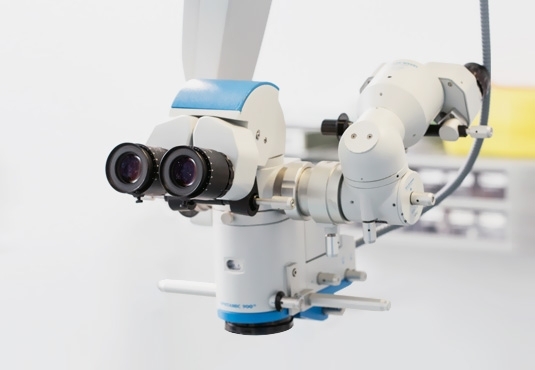
Micro-TESE (Microsurgical Testicular Sperm Extraction) is a procedure used in men with azoospermia—meaning no sperm is present in the ejaculate or sperm levels are too low or poor in quality for natural reproduction. In this method, sperm is directly retrieved from the testes, where it is produced. The main techniques include TESA (testicular sperm aspiration) and Micro-TESE, which is an open surgical method performed under microscopic magnification.
Unlike conventional sperm retrieval methods, Micro-TESE uses a surgical microscope or optical magnification to identify sperm-producing areas within the testicular tissue. Because a smaller but more targeted amount of tissue is removed, the chance of finding sperm is higher, and the risk of testicular damage is lower. If necessary, the procedure can be repeated at intervals of 3–6 months.
Micro-TESE is generally recommended for men with non-obstructive azoospermia. Azoospermia is the absence of sperm in the ejaculate and may result from:
Micro-TESE is particularly useful in cases where previous sperm retrieval methods such as TESA have failed, or when sperm production is extremely low but still present within the testicular tissue.
A detailed evaluation is performed, including hormone levels, testicular ultrasound, and genetic testing. These help determine the presence of sperm and the underlying cause of azoospermia.
The procedure is usually performed under general anesthesia or regional anesthesia (spinal or epidural). In some cases, local anesthesia may be used.
A small incision is made in the scrotum to access the testes. In some cases, separate incisions may be made for each testis, but commonly a single midline incision is used.
Using a high-powered surgical microscope (typically 20x magnification or higher),the surgeon carefully examines the testicular tissue. The microscope helps identify enlarged seminiferous tubules that are more likely to contain sperm-producing activity.
Targeted tissue samples are taken from areas with the highest likelihood of sperm production. Unlike conventional methods that remove larger tissue samples, Micro-TESE is more precise, minimizing tissue damage and reducing the risk of complications such as testicular atrophy.
When sperm is found, it is carefully collected and used for assisted reproductive techniques such as ICSI (intracytoplasmic sperm injection),or it may be frozen for future use.
The incisions are closed with absorbable sutures, and the scrotum is dressed.
Most patients can return home the same day, although some may be observed in the hospital for a few hours.
Micro-TESE offers several important advantages compared to older sperm retrieval techniques:
Higher Success Rate: Using a surgical microscope or optical magnification, sperm-producing tissue can be precisely identified, which increases the chance of finding sperm, especially in severe cases of impaired spermatogenesis.
Minimally Invasive Approach: The procedure causes minimal damage to surrounding testicular tissue, helping preserve testicular function and potentially maintaining future sperm production.
Lower Risk of Testicular Damage: By targeting specific areas where sperm production is more likely, the risk of damage to healthy testicular tissue is minimized.
Better Outcomes for IVF/ICSI: Sperm retrieved through Micro-TESE can be used in assisted reproductive techniques such as ICSI (intracytoplasmic sperm injection),improving the chances of successful fertilization.
Although Micro-TESE is generally considered safe, it may involve some potential risks and complications:
The success rates of Micro-TESE vary depending on factors such as age, the underlying cause of azoospermia, and overall testicular health. On average, sperm can be successfully retrieved in approximately 50–60% of men undergoing the procedure.
If sperm is successfully retrieved, pregnancy rates using IVF/ICSI depend on factors such as egg quality, embryo development, and the overall fertility potential of the female partner.
If sperm is obtained, it can be used in the following assisted reproductive techniques:
If sperm cannot be retrieved in one attempt, repeat procedures may be considered if testicular tissue still shows potential for sperm production.
Micro-TESE is a groundbreaking technique in the treatment of male infertility, offering hope to men with non-obstructive azoospermia as well as those who have not succeeded with less invasive sperm retrieval methods. Its precision and success rate make it one of the most effective options for severe male infertility cases.
If you are considering Micro-TESE, it is important to consult a male infertility (andrology) specialist to evaluate your condition, discuss risks and benefits, and determine the most appropriate treatment plan for your fertility goals.
 Prof. Dr. Levent PeşkircioğluUrology & Andrology


My husband underwent prostate surgery on Thursday. We would like to sincerely thank Dr. Levent and Dr. Alev, the anesthesiologist, as well as all the nurses at the hospital, especially Nur{...}
09 October 2025For one year, I had been searching for a good doctor. During this period, I took my son to two different public hospitals, but we did not get any positive results. While doing research on{...}
07 June 2025We visited many supposedly top doctors in both private and university hospitals for my husband’s urinary tract obstruction. Unfortunately, the procedures we underwent were short-term and l{...}
07 April 2024